The Role of the Parish Council
Sennen Parish Council represents the interests of the whole community in the parish of Sennen. It is the level government closest to the community, with the Cornwall Council above it in the hierarchy. The council makes decisions on behalf of the people in the parish and has an overall responsibility for the well-being of its local community.
Its work falls into three main categories:
- striving to improve quality of life in the parish
- representing the local community
- delivering services to meet local needs
Sennen Parish Council is involved with planning matters (as a statutory consultee), cutting footpaths and open spaces, managing the beach toilets, helping local groups, working on crime prevention, and campaigning for and delivering better services and facilities.
The Parish Council consists of 10 councillor seats which are filled by residents of the parish (unpaid representatives of the community). Councillors try to be aware of a wide range of matters affecting life and work in the parish, in order to be able to make effective decisions.
Full Council meetings are held at 7pm on the second Wednesday of each month, usually at Sennen Churchtown Hall. The agenda of each meeting is advertised publicly with least 3 days notice on the Parish noticeboards and on this website.
Council meetings are open to the public to attend, with a public participation section near the beginning of each meeting when residents can speak.
Who are Sennen’s Parish Councillors?





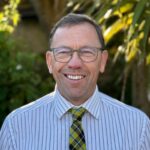




|
All councillors must declare any interests they may have. This information is available here: |
Sennen Parish Councillors are interested in all aspects of Sennen life and will be happy to chat when you see them around the parish. Your thoughts and feedback are always welcome.
There are currently two empty seats – why not join us and make a help shape the future of the parish?
Sennen’s Cornwall Council Member
Sennen lies within the Land’s End electoral division which is represented at Cornwall Council by independent councillor Brian Clemens. Councillor Clemens attends Sennen Parish Council’s full council meetings each month.
The Land’s End Electoral Division falls within the Penwith Community Area Partnership (CAP), the purpose of which is to bring local organisations and people together to tackle issues that matter to their communities.
The Penwith Area Partnership includes Cornwall, town and parish councillors, and other organisations that serve our communities, including the police, health services and voluntary and community sector organisations. Councillor Katherine Shannon represents Sennen Parish Council at the Penwith CAP.
Partnership meetings are open to the public and the press.

Find out more about the Cornwall Councillor and the Community Area Partnership here
How to Become a Parish Councillor
By becoming a parish councillor you become someone your community will look to for help, guidance and support and a community leader with the power to influence decisions for the benefit of the people you serve.
Seeing your community change for the better, as a result of decisions you have helped make, is something that can give you a sense of achievement and pride.
Parish councillors are elected for 4-year terms by the local community. However there can be an opportunity to become a councillor between elections – there are three ways to become a councillor:
- Standing for election
- Filling a vacant seat after an election
- Filling a casual vacancy (if a councillor resigns or dies)
To be a Parish Councillor you must be:
Find more information about becoming and being a Parish Councillor:
Contact Us to request an application form if you think you may like to become a Parish Councillor.
The Requirements of Office
Councillors sign a Declaration of Acceptance of Office and will make an undertaking to observe the Council’s Code of Conduct. Councillors receive guidance and advice from the parish clerk, as well as from other professional officers and bodies. Training is available to all councillors.
Councillors should attend all Council meetings and are disqualified from office if they do not attend at least one meeting of the council during a period of six consecutive months (except when there are extenuating circumstances such as long term illness). Meetings can last from one to two hours depending on the agenda, and these are usually in the evenings. There may be actions to take away, and emails or calls to respond to during the week.
Council Meetings
Parish Council meetings take place on the 2nd Wednesday of the month, usually in Sennen Churchtown hall at 7pm. There is an Annual Meeting in May to elect the Chair and Vice Chair and review the membership of the various Parish Committees Members.
All residents of the parish are welcome to attend meetings of the Council to observe the proceedings. There is an opportunity at the beginning of every ordinary meeting for residents to ask questions of the council or make a statement to the Council, prior to the commencement of its business at that meeting. The time limit for this is normally 15 minutes.
Please remember when making any comment that a Council Meeting is a public meeting for which minutes are produced and published. Members of the public cannot take part in the actual business of a council meeting and are asked not to interrupt the proceedings.
If any of the regular meeting dates have to be changed, notice will be given on the web site and Parish Council notice boards.
If there is a matter that you think the council should discuss you can contact the clerk or a councillor, and ask that it be put on the agenda for the next meeting. Agendas are usually prepared 8 days before the meeting to which they relate and are published on the web site and noticeboards 3 clear working days before a meeting.
Meetings last a maximum of 2 ½ hours, so if a meeting already has a full agenda, some items may be deferred for discussion to a subsequent meeting, so that a proper and full time allowance can be made for discussion of the item.
Find minutes of previous Sennen Parish Council meetings here:
The Role of the Chair of the Parish Council
In law the Council must appoint a Chair – this is the first business of the Annual Council Meeting (ACM). The Chair leads meetings and is often the public face of the Council.
In meetings, the Chair is responsible for involving all Councillors and ensuring that discussion keeps to the point. They will often summarise the debate to facilitate the resolving of clear decisions and to ensure the meeting is not too long. In the case of a tied vote, the chair of a meeting has a casting vote.
The Role of the Parish Clerk
Sennen Parish Council employs a part-time Clerk who is the Proper Officer and Responsible Finance Officer (RFO) of the Council. As such the Clerk is under a statutory duty to carry out all the functions of the Council, and in particular to serve or issue all the notifications required by law of a local authority’s Proper Officer.
The Clerk sets meeting agendas and makes sure that the Council is properly informed for making lawful decisions. The Clerk is also responsible for ensuring that the instructions of the Council are carried out; and will advise on, and assist in the formation of Council policies.
As Responsible Financial Officer, the Clerk is accountable for the effective management of all the Council’s resources and the administration of its finances. The Clerk sets up and enforces proper financial controls designed to prevent and detect fraud and to tackle bad debts. The Clerk is also is responsible for all the council’s financial records and for preparing its accounts for audit (in accordance with the Account and Audit Regulations).